
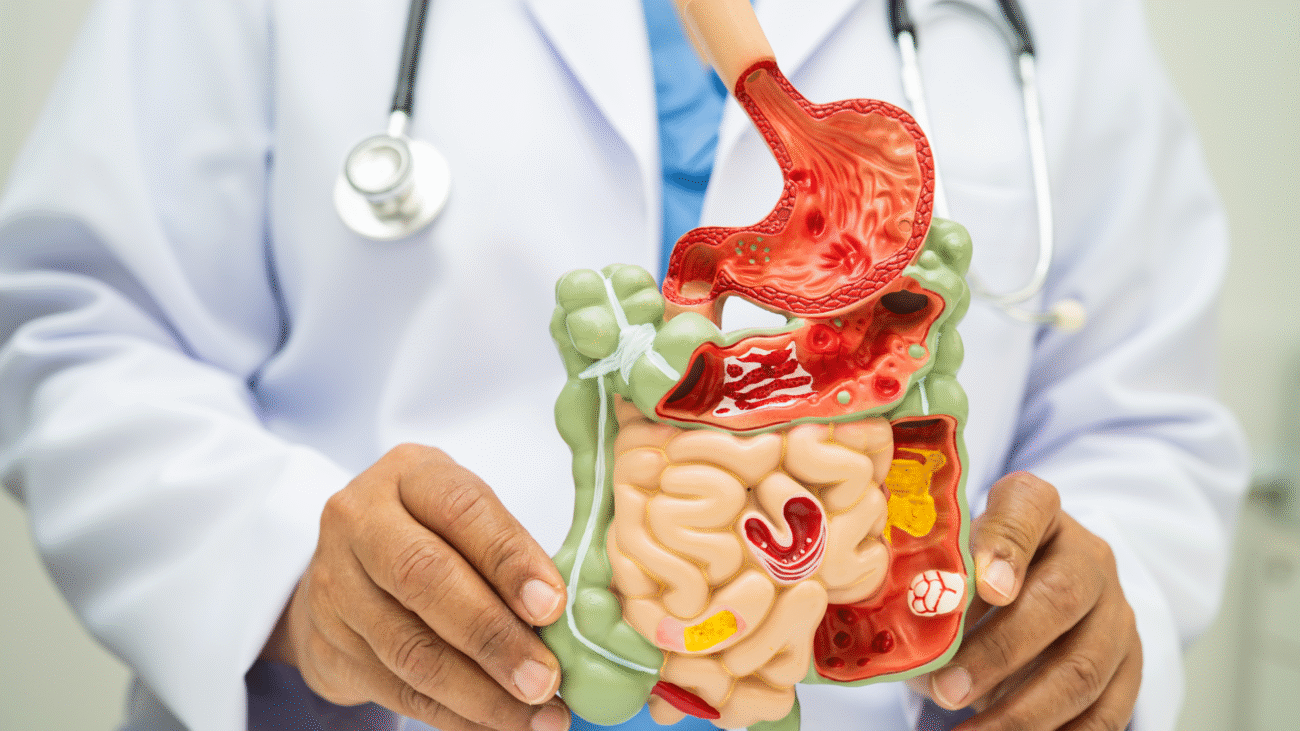
The digestive system plays a fundamental role in overall health, processing nutrients and removing waste from the body. When issues arise within this complex network of organs, patients may require specialized medical attention. Gastroenterologists are physicians who receive extensive training to diagnose and treat disorders of the digestive tract. Through years of rigorous education, these specialists acquire the gastroenterology skills necessary to perform advanced procedures and provide comprehensive care.
What Is Gastroenterology?
Gastroenterology focuses on the regular function and ailments of the digestive organs; this medical branch encompasses the study of the esophagus, stomach, small intestine, colon, rectum, pancreas, gallbladder, bile ducts, and liver. Physicians in this field understand various aspects of digestive health, such as how food moves through the digestive tract, how the body absorbs necessary nutrients, and how waste safely exits the system. They may also study the liver’s intricate role in the daily digestion process.
What Does It Address?
Patients seek help from a digestive health specialist for various reasons. Common symptoms range and affect different parts of the digestive system. These symptoms include persistent heartburn, unexplained abdominal pain, chronic diarrhea, and recurring constipation. Other disturbances, such as rectal bleeding and excessive bloating, also warrant a thorough medical evaluation by a trained professional.
The field covers numerous well-known diseases and disorders that affect daily life. Specialists may treat acid reflux, irritable bowel syndrome, and peptic ulcer disease. They also manage more severe illnesses, such as colitis and pancreatitis. Routine screenings play a major role in this medical specialty. Doctors perform examinations to detect colon cancer early. Finding and removing abnormal tissue growths, known as polyps, prevents the disease from developing. Regular medical assessments help maintain optimal digestive health and reduce the risk of severe future complications.
What Techniques Can It Utilize?
Medical professionals rely on a variety of advanced tools to view the inside of the digestive tract. Endoscopy remains one of the primary methods used in this field. During an upper endoscopy, a doctor gently inserts a thin, flexible tube equipped with a tiny camera through the mouth. This device captures high-quality images of the esophagus, stomach, and the beginning of the small intestine. A colonoscopy uses a similar instrument, inserted through the rectum, to examine the large intestine. These cameras allow doctors to identify abnormalities in real time.
Beyond basic imaging, specialists utilize several innovative procedures to treat ailments. Endoscopic ultrasound combines standard camera technology with sound waves. This approach generates pictures of organs and surrounding tissues that regular cameras cannot see. Doctors may also perform advanced therapeutic actions during these exams and extract polyps.
Seek Professional Specialized Care
Maintaining digestive wellness requires proactive attention to any bodily changes. Individuals experiencing persistent discomfort or sudden changes in bowel habits should schedule a consultation with a medical provider. Many gastrointestinal conditions remain silent in their early stage and can produce no noticeable symptoms until the disease progresses. Preventive care, such as scheduling a routine colonoscopy, serves as a strategy to avoid long-term health consequences. Accessing the expertise of a trained specialist offers the most reliable path to achieving and sustaining a healthy digestive system.