
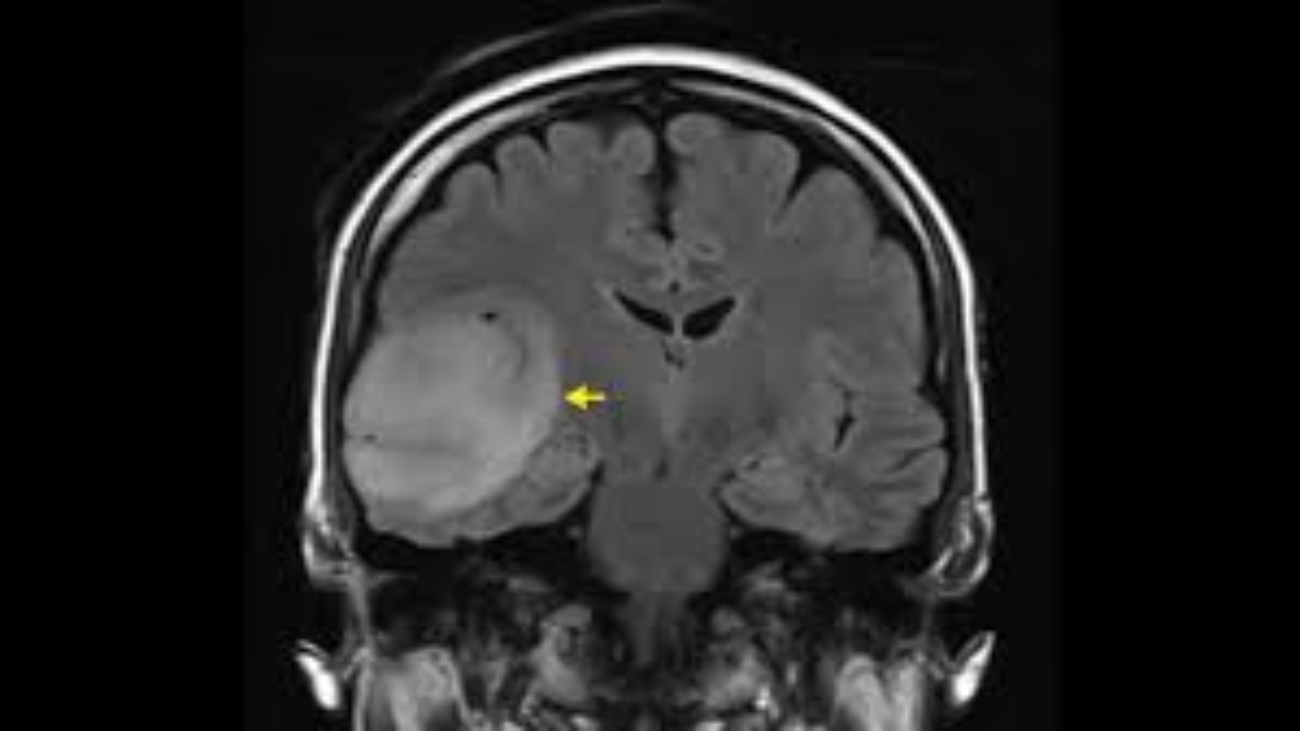
Neuroradiology plays a significant role in examining the structure and function of the brain, helping specialists better understand how different regions communicate and work together. It can provide valuable insight into brain connectivity, supporting the evaluation of neurological conditions, injuries, and functional changes. Here is a closer look at neuroradiology’s role in understanding brain connectivity:
Mapping Brain Connectivity
Doctors use specific and targeted neuroradiology techniques to trace internal brain connections. One common imaging method tracks water movement within the tissues, and this shows the actual nerve fibers. Water naturally moves along specific neural pathways, enabling specialized scanners to create a detailed map of the brain’s physical wiring.
This intricate mapping process requires highly specialized computer software. The computer carefully processes the raw scan data, and it builds a precise three-dimensional model of the nerves. After the computer model is complete, a clinical radiologist examines the rendered pathways to identify any unusual breaks. These resulting maps show structural pathways and functional activity. Structural maps display the physical nerve wires, while functional maps show brain activity over a specific period of time.
Applying Clinical Insights
Many clinical medical situations require detailed brain network maps. Specialized neurologists use these network maps before surgery, and they carefully plan safe surgical routes around key brain areas. If a brain surgeon knows exactly where the pathways lie, the physical operation carries a much lower risk. Stroke patients also benefit greatly from this specific type of imaging. When doctors use advanced neuroradiology, they can see exactly which brain networks the stroke affected.
Using Imaging Tools
Radiology clinics use multiple technical tools to carefully examine the brain. Modern scanners physically capture the images, and advanced computers process the resulting information. Doctors still face certain physical challenges during the imaging process, even though the medical technology is highly advanced.
Patient movement creates a major technical challenge during a scan. The scanning machines require complete physical stillness, or the resulting images will be blurry. If a patient moves during the scan, the medical technician must restart the sequence to make sure the image is clear.
Some of the main technical tools used in these clinical exams include Magnetic Resonance Imaging (MRI) machines that capture deep tissue layers. There are also Computed Tomography (CT) scanners that provide rapid structural images and advanced computer modeling software that renders three-dimensional maps.
Advancing Brain Network Research
As imaging technology improves, doctors will be able to detect neurological brain diseases much earlier. Artificial intelligence will soon play a major diagnostic role. AI can sort through thousands of medical images quickly and highlight tiny anatomical abnormalities. When trained radiologists use AI tools, they can diagnose complex conditions with greater clinical precision.
Medical researchers will also study new ways to track brain signals. Current imaging methods work very well, but future diagnostic methods will enable real-time visualization of brain activity. Once these real-time tracking tools become fully available, neuroradiology will provide an even deeper clinical understanding of the mind.
Schedule Your Neuroradiology Appointment Today.
Neuroradiology provides a fundamental look into human brain connectivity. The field maps the complex pathways of the nervous system, and it helps doctors plan effective clinical treatments. Contact a qualified radiologist near you to schedule your neuroradiology appointment today.
LEAVE A COMMENT