
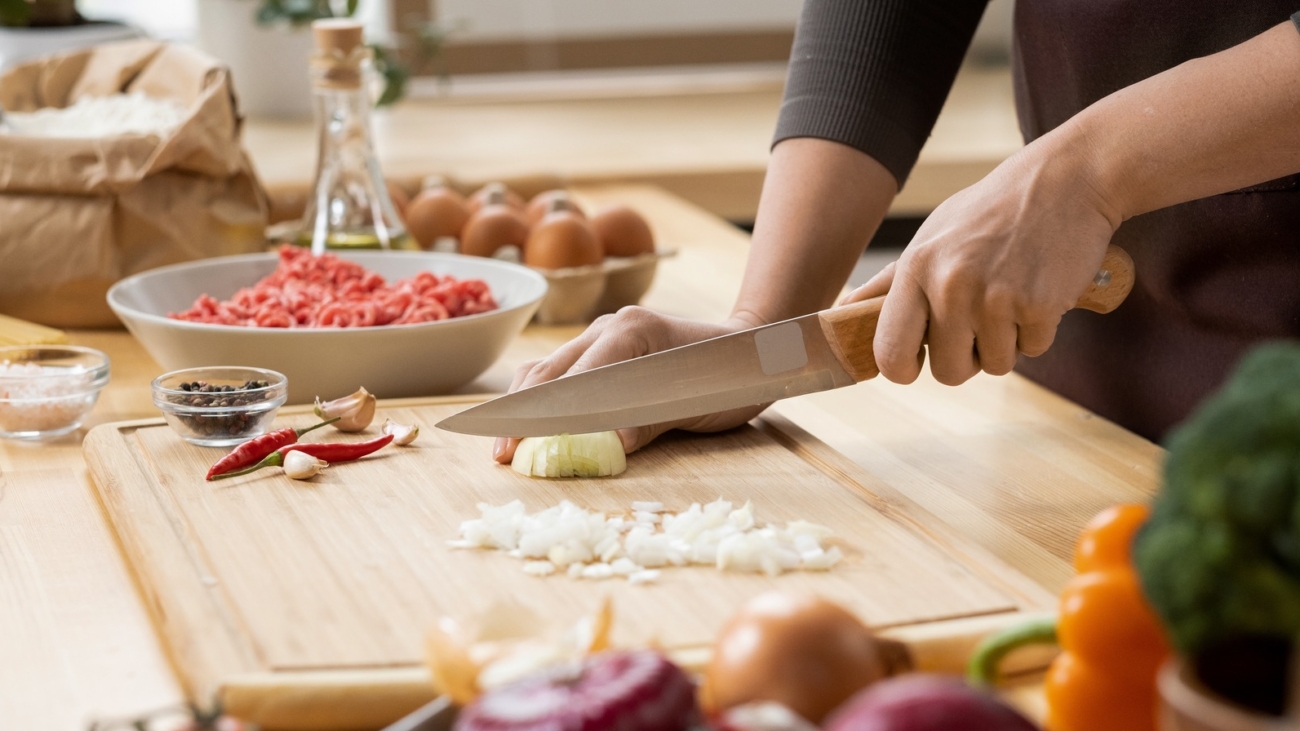
Minced ingredients are finely chopped foods used widely in kitchens to enhance flavor, texture, and cooking efficiency. From minced meat to vegetables and herbs, this technique allows ingredients to blend seamlessly in dishes like sauces, stews, burgers, and salads.
Mincing not only improves taste but also ensures even cooking and nutrient distribution. Understanding the right tools, techniques, and safety practices is key to mastering minced foods. Whether you’re a beginner or a professional cook, minced ingredients can transform ordinary recipes into flavorful, perfectly textured meals.
Minced ingredients make cooking flavorful and easy. Learn techniques, uses, and tips for minced meat, vegetables, and herbs in everyday delicious meals.
What Does “Minced” Mean?
“Minced” refers to ingredients that are finely chopped into very small pieces, often using a knife, food processor, or grinder. In cooking, mincing allows ingredients to distribute evenly throughout a dish, enhancing flavor and texture. Unlike simple chopping, mincing creates a uniform consistency that’s ideal for sauces, fillings, and meat-based dishes.
Difference Between Minced, Chopped, and Ground
While all three methods involve cutting ingredients, they differ in texture. Chopped pieces are larger, minced ingredients are finely cut, and ground foods are processed into a pasty or powdery texture. Understanding the distinction helps achieve the perfect outcome for recipes.
Popular Types of Minced Ingredients
Minced Meat Varieties (Beef, Chicken, Lamb, Pork)
Minced meat is a staple in kitchens worldwide. Beef mince is popular for burgers and meatballs, whole chicken and turkey provide leaner options. Lamb offers rich flavor for Mediterranean dishes, and pork is often used in dumplings or sausages.
Minced Vegetables and Herbs
Vegetables like onions, peppers, and carrots are frequently minced to release maximum flavor in stir-fries, soups, and sauces. Herbs such as parsley, cilantro, and basil are minced to evenly distribute aroma and freshness.
Minced Garlic, Ginger, and Spices
Mincing garlic and ginger unlocks their essential oils and enhances taste. Spices like chilies can also be minced to provide uniform heat throughout a dish, making your meals flavorful and balanced.
How to Mince Ingredients Perfectly
Tools for Mincing: Knives, Food Processors, and Grinders
A sharp chef’s knife is the most common tool for mincing. Food processors offer speed and consistency for larger quantities, while manual grinders are excellent for meat and tougher ingredients. Choosing the right tool depends on the ingredient and desired texture.
Step-by-Step Techniques for Efficient Mincing
- Clean and peel ingredients.
- Cut into manageable pieces.
- Use a rocking motion with the knife to mince finely.
- For meat, use a grinder or pulse in a food processor.
- Check consistency; aim for uniform small pieces.
Common Mistakes to Avoid While Mincing
- Overcrowding the knife board or processor.
- Using a dull knife, which can crush rather than cut.
- Not maintaining uniformity, causing uneven cooking.
- Over-mincing, leading to mushy textures.
Culinary Uses of Minced Ingredients
Minced Meat Recipes: Burgers, Meatballs, and Kebabs
Minced meat is versatile. Classic burgers benefit from even seasoning and binding, while meatballs rely on minced consistency for tenderness. Kebabs use finely minced meat mixed with herbs and spices for flavor infusion.
Minced Vegetables in Sauces and Salads
Mincing vegetables ensures even distribution in sauces, stews, and stir-fries. In salads, finely minced cucumbers, tomatoes, and onions provide a balanced texture without overpowering the dish.
Minced Herbs and Spices for Flavor Boost
Mincing herbs like parsley or cilantro releases essential oils, intensifying flavor. Minced chilies and garlic provide a controlled heat and aroma, enhancing the depth of taste in every bite.
Health Benefits of Using Minced Foods
Nutritional Advantages of Minced Meat
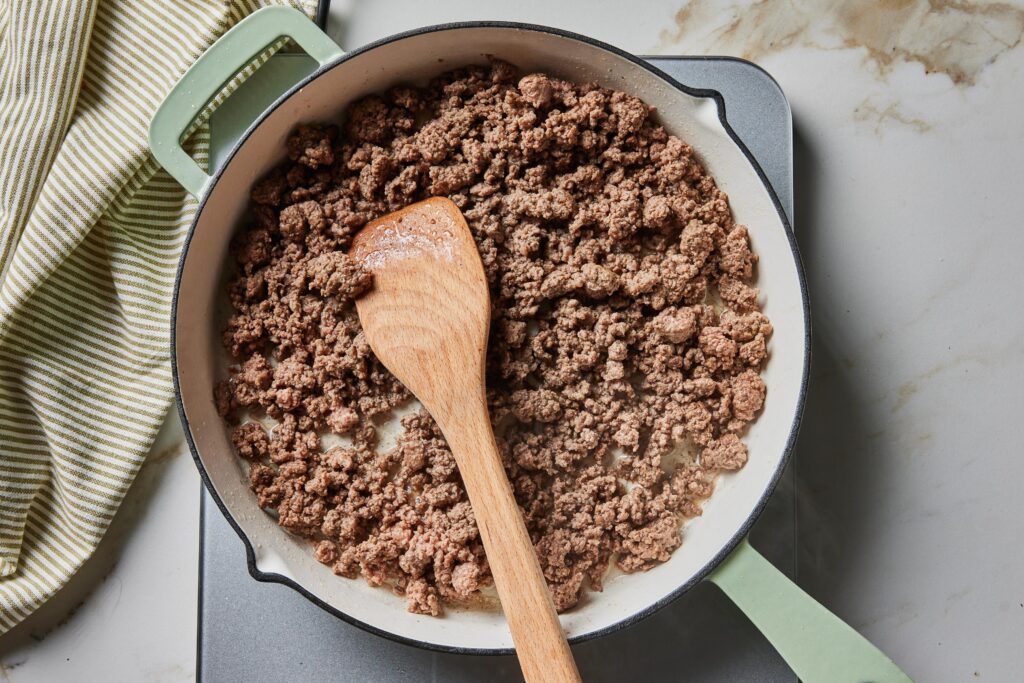
Minced meat retains all essential proteins and nutrients. Choosing lean cuts of beef, chicken, or turkey reduces fat content while providing iron, zinc, and vitamin B12 essential for body functions.
Health Benefits of Minced Vegetables and Herbs
Minced vegetables retain fiber, vitamins, and antioxidants. Finely mincing improves digestion and ensures even distribution of nutrients in every meal. Herbs, when minced, enhance flavor without added calories or sodium.
Storage and Safety Tips for Minced Ingredients
- Keep it cold: Store minced meat, vegetables, or herbs in the refrigerator at 0–4°C (32–40°F) to prevent bacterial growth.
- Use airtight containers: Prevent contamination and moisture loss by sealing minced ingredients in clean, airtight containers or zip-lock bags.
- Label and date: Always mark the date of mincing to track freshness and avoid using expired ingredients.
- Freeze for long-term storage: Minced meat or vegetables can be frozen for 1–3 months; use freezer-safe containers or trays.
- Avoid cross-contamination: Keep raw minced meat separate from cooked foods and fresh produce.
- Thaw safely: Defrost in the fridge or under cold running water, never at room temperature.
- Use quickly: For best flavor and safety, consume refrigerated minced ingredients within 1–2 days.
- Clean tools properly: Wash knives, boards, and processors thoroughly after use to prevent bacterial transfer.
FAQs
1: What is the difference between minced and chopped ingredients?
Mincing creates tiny, uniform pieces, while chopping produces larger, uneven pieces. Mincing is ideal for sauces and fillings, offering even cooking and texture.
2: How do I mince meat safely at home?
Use clean tools, a sharp knife, or a food processor. Keep meat cold, avoid cross-contamination, and store immediately in the fridge or freezer.
3: Can vegetables and herbs be frozen after mincing?
Yes, minced vegetables and herbs can be frozen in airtight containers or ice cube trays to preserve freshness and nutrients for longer use.
4: What dishes are best suited for minced ingredients?
Minced ingredients enhance burgers, meatballs, stir-fries, sauces, soups, salads, and dips, providing even flavor and texture throughout the dish.
5: Are there health benefits to using minced foods?
Yes, mincing retains nutrients while improving digestion and flavor. It allows even seasoning without extra fats or salts, promoting healthier, balanced meals.
Conclusion
Mincing is an essential culinary technique that maximizes flavor, improves texture, and ensures even cooking. From meat to vegetables, minced ingredients elevate the taste and presentation of countless dishes. With proper tools, techniques, and storage, anyone can master mincing for healthier, more delicious meals.
LEAVE A COMMENT