
Koriandri, commonly known as coriander or cilantro, is a versatile herb used in cooking, medicine, and wellness practices worldwide. Known for its aromatic leaves and seeds, Koriandri has been valued for centuries for its culinary, nutritional, and medicinal properties. Whether you are a chef, home cook, or health enthusiast, understanding Koriandri’s benefits and applications can help you incorporate it effectively into your lifestyle.
What Is Koriandri?
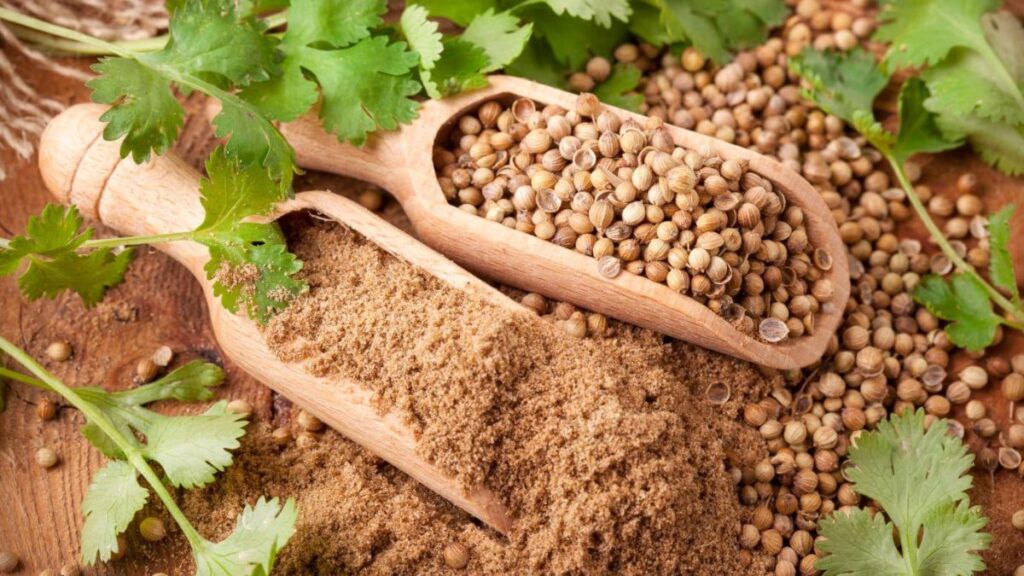
Koriandri is a herbaceous plant belonging to the Apiaceae family. Both its fresh leaves and dried seeds are widely used in culinary and medicinal applications. The fresh leaves are commonly referred to as cilantro, while the seeds are known as coriander seeds.
Origin and History
Native to regions spanning Southern Europe, Northern Africa, and Southwestern Asia, Koriandri has been cultivated for over 3,000 years. Ancient civilizations, including the Egyptians and Greeks, valued it for flavoring food and its health-promoting properties.
Why Koriandri Is Popular
Koriandri is celebrated for its unique citrusy aroma, rich nutrient content, and natural healing properties. It is versatile, easy to grow, and can enhance both taste and wellness.
Nutritional Profile of Koriandri
Koriandri is not just flavorful—it is packed with essential nutrients.
Vitamins and Minerals
- Vitamin C: Boosts immunity and promotes skin health
- Vitamin K: Supports bone health and blood clotting
- Vitamin A: Maintains vision and immune function
- Calcium and Potassium: Essential for heart and bone health
Antioxidants
Koriandri contains antioxidants that protect cells from damage and reduce inflammation.
Other Nutrients
It is low in calories, making it suitable for healthy diets while providing dietary fiber and essential oils.
Health Benefits of Koriandri
Koriandri has numerous health benefits, supported by both traditional use and modern research.
1. Digestive Health
Koriandri aids digestion by stimulating digestive enzymes, reducing bloating, and relieving discomfort.
2. Anti-Inflammatory Properties
Its bioactive compounds help reduce inflammation, potentially easing symptoms of arthritis and other inflammatory conditions.
3. Heart Health
The antioxidants, fiber, and potassium in Koriandri contribute to better cardiovascular health by regulating blood pressure and cholesterol.
4. Blood Sugar Control
Studies suggest that Koriandri may help regulate blood sugar levels, making it beneficial for people with diabetes.
5. Detoxification
Koriandri supports liver function and helps the body eliminate toxins and heavy metals.
6. Skin and Hair Care
Rich in antioxidants and vitamins, Koriandri may improve skin tone, reduce acne, and promote healthy hair growth.
Culinary Uses of Koriandri
Koriandri is an indispensable herb in global cuisines.
Fresh Leaves (Cilantro)
- Salads: Adds freshness and a citrusy flavor
- Garnishes: Enhances soups, curries, and stews
- Salsas and Chutneys: Provides aroma and taste balance
Coriander Seeds
- Spice Blends: Essential in curry powders and garam masala
- Roasting: Enhances flavor in roasted dishes
- Infusions: Used in teas and flavored oils
Koriandri in Drinks
Fresh leaves and seeds can be used in detox drinks, smoothies, and herbal teas for flavor and health benefits.
Medicinal Uses of Koriandri
Koriandri has been used in traditional medicine for centuries.
1. Digestive Aid
The herb can relieve gas, indigestion, and nausea naturally.
2. Antimicrobial Effects
Koriandri contains compounds that may fight harmful bacteria and fungi.
3. Anti-Anxiety Properties
Consumption of Koriandri may reduce anxiety and promote relaxation due to its calming effect on the nervous system.
4. Blood Purification
It helps remove toxins from the blood, supporting overall wellness.
How to Grow Koriandri at Home
Growing Koriandri is simple and rewarding, whether in a garden or a small pot.
Choosing the Right Location
Koriandri requires full sun or partial shade and well-drained soil.
Planting Tips
- Sow seeds ¼ inch deep
- Space plants 6–8 inches apart
- Water regularly but avoid waterlogging
Maintenance
- Harvest leaves when they are 4–6 inches long
- Remove flowers to prolong leaf production
- Fertilize occasionally with organic compost
Pests and Diseases
Koriandri is generally hardy but watch out for aphids and fungal infections.
How to Store Koriandri
Proper storage preserves freshness and potency.
Fresh Leaves
- Wrap in a damp paper towel and store in the fridge
- Use within 5–7 days for optimal flavor
Coriander Seeds
- Store in an airtight container in a cool, dark place
- Grind seeds as needed to preserve aroma and essential oils
Freezing Tips
Leaves can be chopped and frozen in ice cube trays with water or oil for later use.
Recipes Featuring Koriandri
Incorporating Koriandri into meals is easy and flavorful.
1. Koriandri Chutney
Blend fresh leaves, garlic, green chili, lemon juice, and salt for a versatile condiment.
2. Coriander-Spiced Roasted Vegetables
Mix ground coriander seeds with olive oil, salt, and pepper to coat vegetables before roasting.
3. Koriandri Tea
Steep fresh leaves with hot water, lemon, and honey for a soothing herbal drink.
4. Cilantro Salad
Combine fresh Koriandri leaves with tomatoes, cucumbers, and onions for a refreshing side dish.
5. Curry and Stew Enhancer
Add ground coriander seeds or chopped leaves to curries, soups, and stews for depth of flavor.
Precautions and Considerations
While Koriandri is safe for most people, some precautions are necessary.
Allergic Reactions
Some individuals may be allergic to Koriandri, experiencing symptoms like itching, swelling, or digestive issues.
Interactions with Medications
Koriandri may interact with medications for diabetes or blood clotting. Consult a healthcare provider if needed.
Pregnancy and Breastfeeding
Generally safe in culinary amounts, but consult a doctor before using in medicinal doses.
Tips for Maximizing Koriandri Benefits
To get the most from Koriandri, follow these practical tips:
Use Fresh Leaves
Fresh leaves retain the highest levels of nutrients and antioxidants.
Combine with Other Herbs
Pair with mint, parsley, or basil for enhanced flavor and nutritional benefits.
Incorporate Seeds in Cooking
Lightly toast coriander seeds before grinding to unlock full aroma and essential oils.
Grow Your Own
Homegrown Koriandri ensures maximum freshness and quality.
Regular Consumption
Include Koriandri in daily meals, teas, or smoothies for consistent health benefits.
Final Thoughts
Koriandri is more than just a flavorful herb; it is a natural powerhouse with numerous culinary, medicinal, and nutritional benefits. From enhancing dishes to promoting health and wellness, Koriandri offers versatility that suits a wide range of lifestyles. By understanding its uses, growing methods, and proper storage, you can maximize the potential of this incredible herb. Whether you are a seasoned chef, health-conscious individual, or beginner gardener, Koriandri is a must-have in your kitchen and wellness routine.
LEAVE A COMMENT