
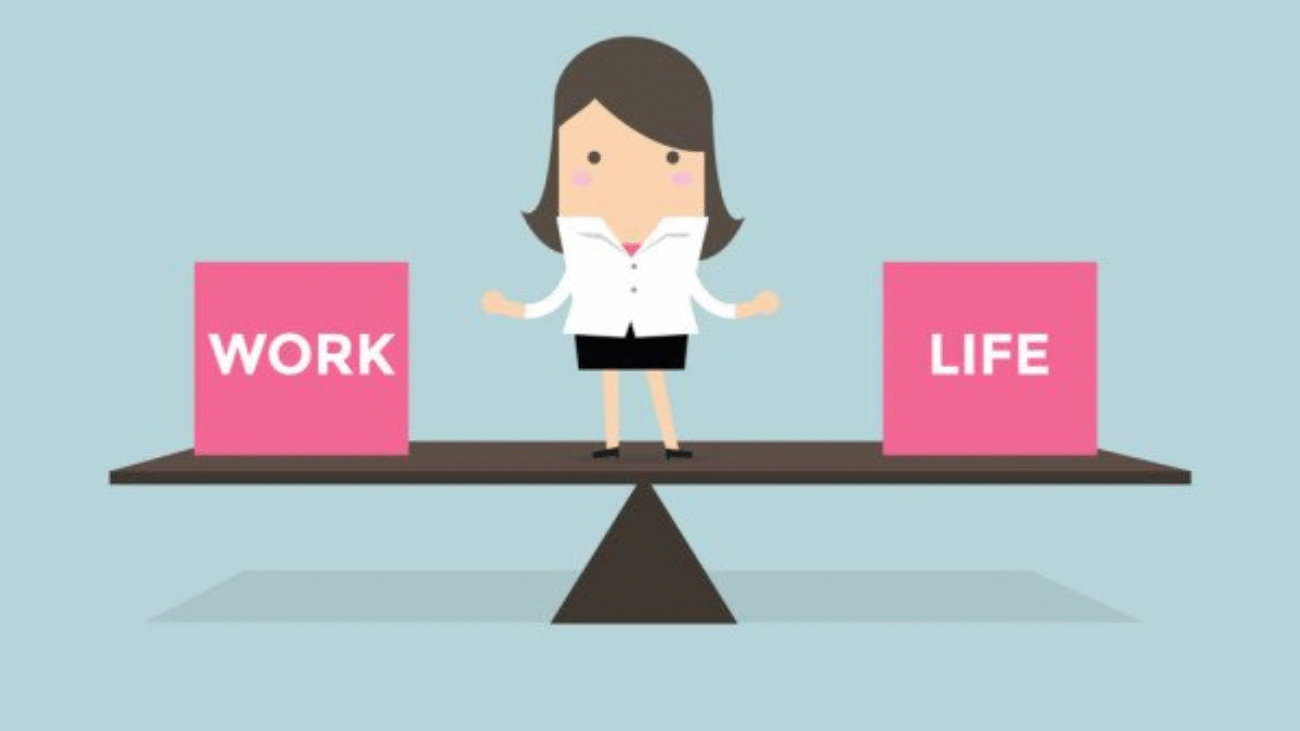
Balancing work and social life is one of the biggest challenges people face today. With tight deadlines, long hours, and endless responsibilities, it can feel like there’s never enough time for friends, family, or personal hobbies. But striking the right balance is essential for your mental health, happiness, and overall productivity. If you focus too much on work, you risk burnout. If you focus only on social life, your career might suffer. The good news is that with a few simple strategies, you can enjoy a fulfilling work life and a healthy social life.
1. Understand Your Priorities
The first step in balancing work and social life is knowing what matters most to you. Ask yourself:
- Which tasks at work are non-negotiable?
- Which social activities bring me the most joy?
- What personal goals do I want to achieve outside work?
By listing your priorities, you can identify where to spend your time wisely. For example, if your family is your top priority, plan your work schedule so you can attend important events or dinners. Knowing what matters most will help you make decisions that reduce stress and avoid feeling guilty about either work or social life.
2. Set Clear Boundaries
Boundaries are essential for maintaining balance. Without them, work can creep into your personal life, and vice versa. Here are some ways to set boundaries:
- Define work hours: Avoid checking emails or taking calls outside work hours unless it’s urgent.
- Communicate your limits: Let your colleagues and friends know when you are unavailable.
- Create a dedicated workspace: If you work from home, keep work separate from relaxation areas.
Clear boundaries make it easier to focus fully on work during office hours and fully enjoy your personal time without distractions.
3. Use Time Management Techniques
Time management is a powerful tool to balance work and social life. By planning your day effectively, you can fit both work tasks and social activities without stress. Some helpful strategies include:
- Make a schedule: Write down work tasks, meetings, and social events. Seeing everything at a glance helps avoid conflicts.
- Prioritize tasks: Use methods like the Eisenhower Matrix to decide what’s urgent, important, or can be delegated.
- Use time blocks: Allocate specific hours for work, family, and hobbies. This creates structure and reduces procrastination.
Remember, effective time management doesn’t mean overloading yourself; it means working smarter, not harder.
4. Learn to Say No
Saying no is a skill that helps you protect your time. People often feel pressured to say yes to work requests or social invitations, but doing too much can lead to stress and burnout. Ask yourself:
- Will this task or event benefit me?
- Do I have the energy and time for it?
- Is it aligned with my priorities?
By politely declining what doesn’t serve you, you can focus on what truly matters and maintain a better balance.
5. Take Care of Your Health
Balancing work and social life is impossible without good health. When you are tired, stressed, or sick, everything suffers. Prioritize:
- Sleep: Aim for 7–8 hours each night to recharge your body and mind.
- Exercise: Even short daily workouts improve energy levels and mood.
- Nutrition: Eat balanced meals to fuel your day and keep focus.
When your body and mind are strong, you can handle both work challenges and social activities with ease.
6. Make Quality Time Count
It’s not about how much time you spend at work or with friends, but how meaningful that time is. Focus on quality over quantity:
- At work: Concentrate fully on your tasks to finish efficiently. Avoid multitasking that wastes energy.
- In social life: Be present with your friends and family. Put away your phone and enjoy conversations, games, or activities.
This approach ensures that every moment counts, reducing the feeling of being “pulled in different directions.”
7. Use Technology Wisely
Technology can help or harm your balance. Smartphones, emails, and social media can make it hard to disconnect from work. Use these tips:
- Set notification limits: Turn off work notifications after hours.
- Use apps for organization: Tools like calendars, task managers, and reminders help plan your day efficiently.
- Schedule social time online if needed: Video calls or virtual meet-ups can help maintain connections when busy.
Technology is a tool—use it to manage your time, not control it.
8. Combine Social Life and Work When Possible
Sometimes, blending work and social activities can help maintain balance. For example:
- Attend networking events where you meet friends and professionals.
- Go on team outings or company retreats.
- Invite a friend to join you for a hobby or exercise after work.
By finding overlap between work and social life, you can enjoy both without feeling guilty.
9. Take Breaks and Vacations
Breaks are not a luxury—they are essential. Short breaks during work hours improve focus, creativity, and energy. Longer vacations let you fully recharge. Plan regular breaks to prevent burnout:
- Micro-breaks: 5–10 minutes between tasks to stretch or breathe.
- Weekend breaks: Spend time with family or pursue hobbies.
- Annual vacations: Step away from work completely to refresh your mind and body.
Breaks ensure you return to work motivated while still enjoying your social life.
10. Reflect and Adjust Regularly
Life changes, and so do your priorities. Regularly assess your work-life balance:
- Are you spending enough time on what matters most?
- Do you feel fulfilled at work and socially?
- Are adjustments needed to reduce stress?
Reflection allows you to make small changes before stress accumulates, keeping your balance sustainable.
Conclusion
Balancing work and social life is not about splitting time evenly; it’s about being intentional with your energy, priorities, and boundaries. By understanding your priorities, managing time, setting boundaries, taking care of your health, and reflecting regularly, you can enjoy a productive career and a fulfilling social life. Remember, balance is a continuous journey, not a destination. With patience and practice, you can achieve a lifestyle where work and personal happiness coexist.
FAQs
1. Why is work-life balance important?
Work-life balance reduces stress, prevents burnout, improves mental health, and allows you to enjoy meaningful relationships while staying productive at work.
2. How can I make time for friends when I’m busy at work?
Plan social activities in advance, use weekends effectively, and combine social events with hobbies or exercise to maximize time with friends.
3. Can technology help balance work and social life?
Yes, tools like calendars, reminders, and time-management apps can organize tasks and schedules. But excessive notifications or social media use can harm balance if not managed.
4. How do I say no without offending people?
Politely explain your current commitments, thank them for the invitation or request, and offer an alternative if possible. Honesty and respect go a long way.
5. How do I maintain balance if I work long hours?
Focus on efficiency, prioritize tasks, take short breaks, schedule personal time outside work hours, and occasionally combine social activities with work-related events.
LEAVE A COMMENT