

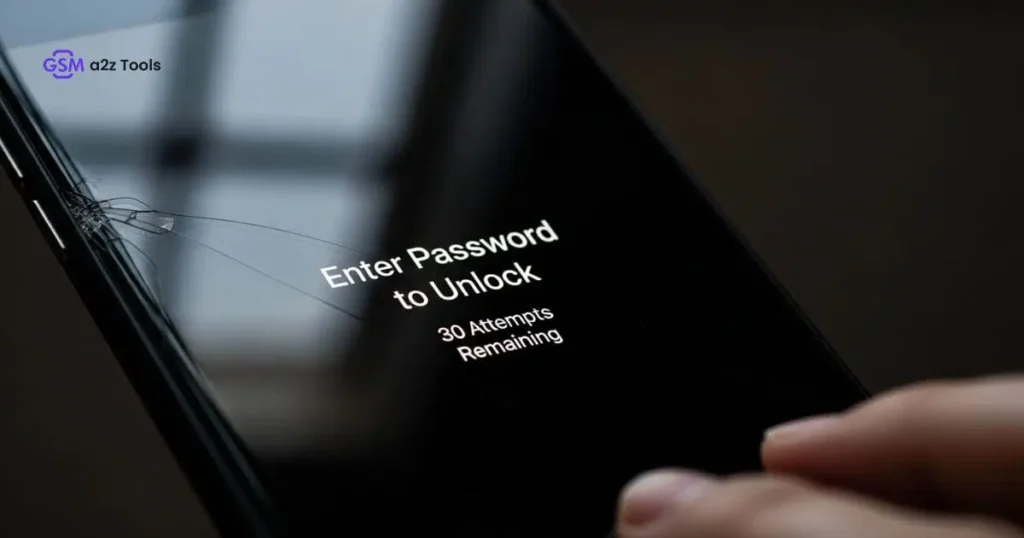
When you see the message “Enter Password to Unlock 30 30 Attempts Remaining”, it can be confusing, stressful, or even alarming—especially if it appears on your phone, tablet, laptop, or another digital device. This message usually means your device is locked for security reasons, and you must enter the correct password before your attempts run out. Today, password protection is very important because it keeps your data, photos, messages, banking apps, and personal information safe. This complete guide explains what the message means, why it appears, how to unlock your device safely, common mistakes to avoid, and how to protect your device in the future.
What Does “Enter Password to Unlock 30 30 Attempts Remaining” Mean?
This message appears when your device wants you to enter your password but also shows how many attempts you have left. In this case:
- “Enter Password to Unlock” means the device is locked.
- “30 30 Attempts Remaining” means you have 30 tries left before the device locks more seriously or erases data (depending on settings).
It is a security warning to prevent unauthorized access.
Where You Might See This Message
Smartphones
iPhones, Android phones, and other smartphones show this message when the wrong password is entered multiple times.
Tablets
iPads, Samsung tablets, and other devices display it to prevent unauthorized users from entering.
Laptops & Computers
Windows, macOS, and Chromebook systems may show similar warnings.
Secure Apps
Some apps like banking, vaults, password managers, and gallery lock apps also use attempt limits.
Why Devices Show Attempt Limits
Attempt limits exist because they help protect personal information from:
- hackers
- intruders
- stolen-device access
- guessing attacks
Without attempt limits, anyone could try unlimited passwords until they got inside.
What Happens If You Use All 30 Attempts?
This depends on your device settings:
Possibility 1: Device Lockout
Your phone or laptop may lock for:
- 1 minute
- 5 minutes
- 15 minutes
- 1 hour
- or longer
Possibility 2: Permanent Lock
Some systems may block access until you use backup methods.
Possibility 3: Data Erase
On some devices (especially iPhones with “erase after 10 attempts” enabled), all data may be deleted.
Possibility 4: Account Protection
Apps may freeze or log you out for safety.
Reasons You Might See This Message
1. You Forgot Your Password
This is the most common reason.
2. Someone Else Tried Unlocking Your Device
A child, friend, or stranger may have entered the wrong password.
3. A Pocket Touch or Screen Glitch
Your device may have registered random inputs while in your pocket or bag.
4. Security Reset
After updates or restart, the device requires your password instead of biometric unlock.
5. Using the Wrong Password Format
Maybe you entered:
- an old password
- your email password
- the wrong PIN
- wrong pattern
How to Safely Unlock Your Device
Step 1: Stay Calm
You still have 30 attempts. There is plenty of room to unlock it safely.
Step 2: Try to Remember the Last Password You Used
Think about:
- recent password changes
- similar PINs you often use
- saved notes or password hints
Step 3: Use Backup Unlock Methods
Different devices offer different options:
iPhone / iPad
- Face ID / Touch ID may work
- Use Apple ID to unlock
- Use recovery mode if needed
Android Devices
- Fingerprint unlock
- Smart Lock features
- Google account recovery
Computers
- Microsoft account reset
- Apple ID login
- Recovery disks
Step 4: If You Can’t Remember It — Reset the Password
This is the safest method if you still cannot unlock the device.
Device-Specific Recovery Options
iPhone / iPad Recovery
If you forget your password entirely:
- Use Finder or iTunes to restore
- Use “Erase iPhone” on iCloud
- Reset using recovery mode
Android Recovery
Use:
- Google “Find My Device”
- Samsung “Find My Mobile”
- Factory reset (last resort)
Windows Laptop Recovery
Use:
- Microsoft account password reset
- Safe mode
- Password reset disk
Mac Recovery
Use:
- Apple ID
- macOS Recovery
- Disk Utility
Important Warning: Don’t Enter Random Passwords
If you guess incorrectly too many times, your device could:
- permanently lock
- erase your data
- require advanced repair
Always slow down and think.
How to Avoid Getting Locked Out Again
1. Write Down Passwords Safely
Avoid common mistakes like saving passwords in insecure places.
2. Use a Password Manager
It keeps all your passwords secure and easy to access.
3. Enable Biometric Login
Use:
- Face ID
- Fingerprint
- Screen pattern
These reduce the need to type passwords.
4. Turn Off Auto-Erase Options
Unless necessary for security.
5. Use Simple But Strong Passwords
Avoid hard-to-remember passwords while still keeping them secure.
6. Update Passwords Regularly
Especially for apps and devices used daily.
Security Tips to Keep Your Device Safe
Use Two-Factor Authentication
Adds an extra layer of protection.
Avoid Sharing Passwords
Even with friends or family, sharing can cause accidental lockouts.
Enable Lost Device Tracking
Useful for unlocking or erasing remotely.
Backup Data Regularly
Helps you restore everything if you get locked out.
Signs Someone Else Tried Unlocking Your Device
If the message appears unexpectedly, someone may have tried to access your device.
Check for These Signs:
- Attempt notifications
- Unknown fingerprints added
- New apps installed
- Strange activity in your accounts
What To Do
Change passwords immediately.
Frequently Asked Questions
Does this message mean my device is hacked?
Not always—often it’s just a wrong password attempt.
Will my data be lost?
Only if your device has “erase after attempts” enabled or if a reset is required.
Can I unlock the device without the password?
Yes, through recovery methods—but data loss may occur.
Why does the screen repeat the message?
It appears every time the device requires the correct password.
Conclusion
The message “Enter Password to Unlock 30 30 Attempts Remaining” may look alarming, but it is simply a security feature that protects your device. It gives you several opportunities to enter the correct password safely. As long as you stay calm, follow proper recovery steps, and avoid random guessing, unlocking your device is usually simple. Understanding why this message appears—and how to deal with it—helps you protect your personal information and access your device without stress. With the right precautions, you can prevent future lockouts and keep your device secure at all times.