
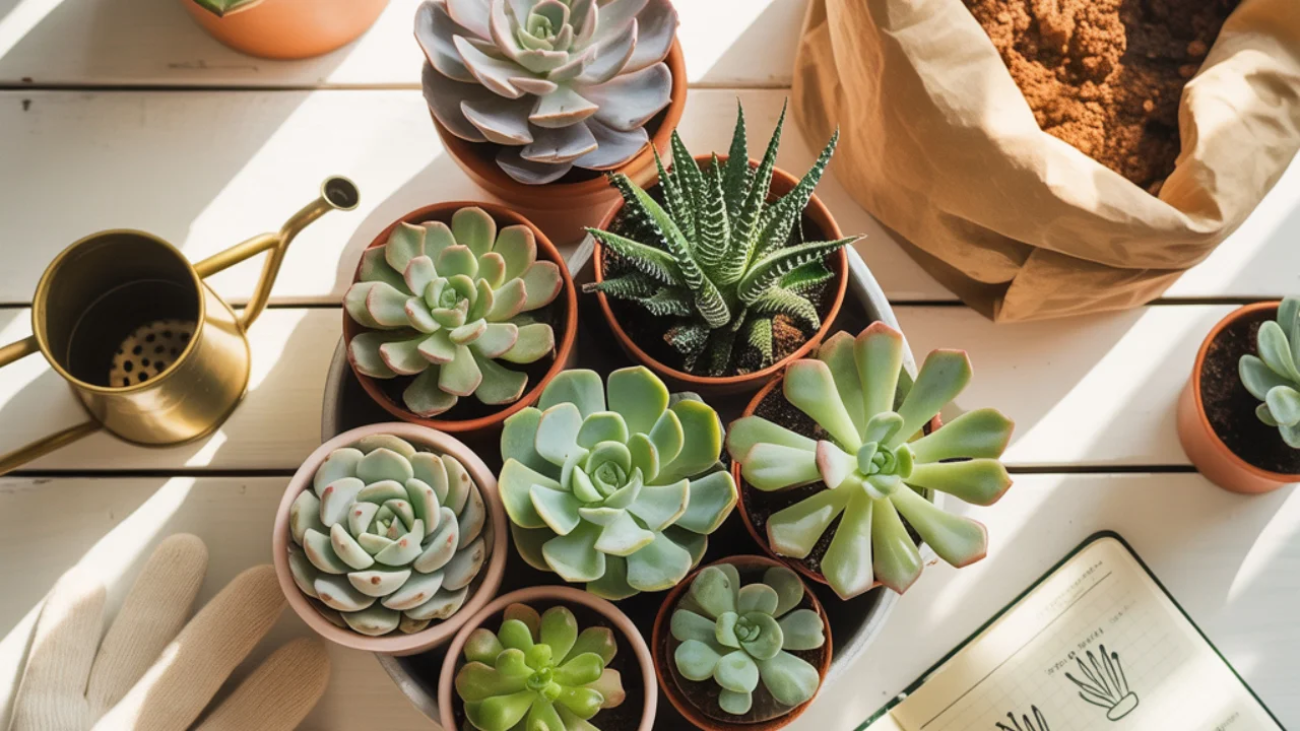
The word “suçculent” has become increasingly popular on the internet, especially among plant lovers, home décor fans, and gardening beginners. Although the spelling looks unique, “suçculent” typically refers to succulents, the well-known fleshy, water-storing plants adored for their beauty, low maintenance, and long lifespan. Suçculent plants are easy to grow, highly decorative, and perfect for both indoor and outdoor settings. From home offices and balconies to restaurants and gardens, succulents have become a global trend. In this complete guide, we explore the meaning of suçculent, its history, types, benefits, care instructions, watering tips, sunlight needs, planting methods, common mistakes, and how these amazing plants can transform your living space.
What Does Suçculent Mean?
Suçculent is an alternate or creative spelling for the English word succulent, referring to a group of plants known for storing water in their leaves, stems, or roots. These plants adapted to survive in dry climates, deserts, or areas with minimal rainfall. Their thick, fleshy leaves help retain moisture, making them incredibly resilient and easy to care for.
Why the Word “Suçculent” Became Popular Online
Many social media users, content creators, and plant enthusiasts use the stylized spelling “suçculent” because:
- It looks aesthetic and trendy
- It stands out in captions and hashtags
- It creates a memorable visual effect
- It gives a unique twist to the word succulent
Regardless of spelling, the meaning remains the same: plants that store water and require minimal care.
Scientific Explanation of Succulents
Succulents belong to several plant families, including:
- Crassulaceae
- Cactaceae
- Aloeaceae
- Euphorbiaceae
- Aizoaceae
Their shared characteristic is the ability to survive with little water by storing moisture within their tissues.
Origin & History of Suçculent Plants
Succulents have existed for thousands of years. Originating in arid regions, they evolved to adapt to challenging climates.
Where Succulents Come From
Different succulent species come from:
- Africa
- South America
- Mexico
- Asia
- Madagascar
- Middle Eastern deserts
Historical Uses
Historically, succulents were used for:
- Traditional medicine (Aloe Vera)
- Food and hydration (certain cactus varieties)
- Cultural symbolism
- Natural remedies for burns and skin problems
Popular Types of Suçculent Plants
There are hundreds of succulent varieties, each unique in shape, color, and growth pattern. Some are small and compact, while others grow tall like miniature trees.
1. Aloe Vera
Aloe Vera is one of the most famous succulents, known for:
- Skin-soothing gel
- Healing burns
- Skincare benefits
2. Echeveria
Known for its rosette shape, Echeveria is extremely popular in home décor.
3. Jade Plant (Crassula Ovata)
A symbol of luck and prosperity. Often called the money plant.
4. Haworthia
Small, indoor-friendly, and perfect for office desks.
5. String of Pearls
A unique hanging succulent that forms round bead-like leaves.
6. Cactus Varieties
Although not all succulents are cacti, all cacti are considered succulents.
7. Sedum
Low-growing and often used for outdoor gardens or green roofing.
8. Agave
Large, dramatic plants used in landscaping and tequila production.
Why Suçculent Plants Are So Popular
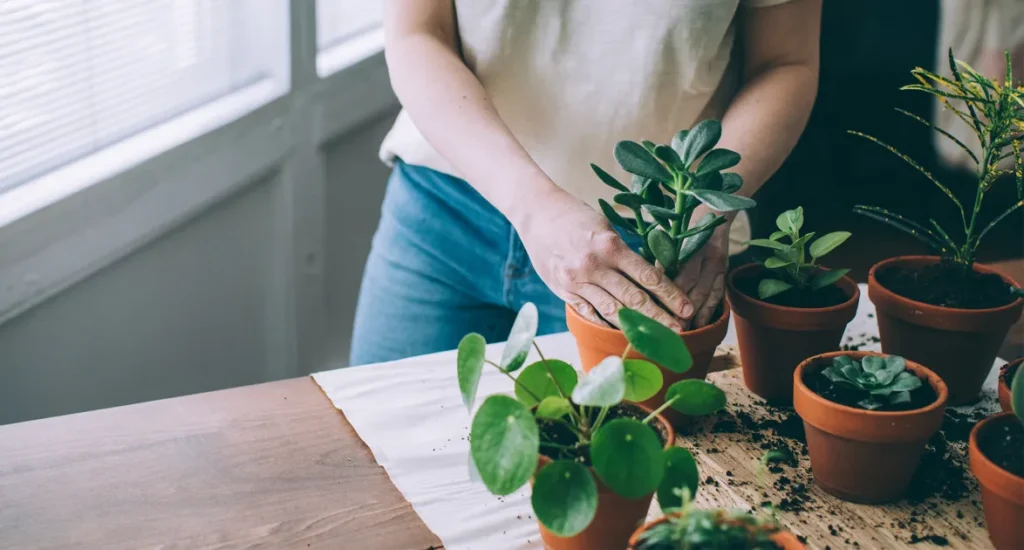
Succulents have become a global trend for many reasons.
1. Aesthetic Beauty
Their geometric shapes, pastel colors, and compact size make them ideal for:
- Interior decoration
- Photography
- Minimalist spaces
- Work desks
2. Low Maintenance
Suçculent plants require:
- Minimal watering
- Moderate sunlight
- Little attention
This makes them perfect for beginners and busy people.
3. Long Lifespan
Succulents can survive for years with proper care.
4. Health Benefits
Indoor plants improve:
- Oxygen levels
- Air quality
- Mood and focus
5. Symbolic Meanings
Succulents symbolize:
- Growth
- Strength
- Resilience
- Endurance
How to Care for Suçculent Plants
Although these plants are easy to grow, proper care is essential for long-term health.
Watering Tips
Watering is the most important part of succulent care.
Water Only When Soil Is Dry
Succulents hate overwatering. Always wait until the soil is fully dry.
Deep Watering Method
Water thoroughly until it drains out from the bottom, then let the soil dry completely.
Water Frequency
- Summer: Every 7–12 days
- Winter: Every 15–25 days
Soil Requirements
Succulents need fast-draining soil to prevent root rot.
Best Soil Mix
A good mixture includes:
- 50% cactus soil
- 25% perlite
- 25% sand
Sunlight Needs
Succulents require bright light to maintain color and shape.
Daily Sun Requirement
- Indoor plants: 4–6 hours indirect sunlight
- Outdoor plants: 6+ hours direct light
Temperature Conditions
Succulents prefer warm environments:
- Ideal: 20°C to 30°C
- Avoid frost or temperatures below 5°C
Pot Selection
Choose pots with drainage holes to prevent water buildup.
How to Plant and Repot Suçculents
Proper planting helps succulents grow strong and healthy.
Steps to Plant a Suçculent
1. Choose a pot with drainage
This ensures roots don’t sit in water.
2. Add fast-draining soil
Fill 70% of the pot with succulent soil.
3. Place the plant
Gently remove old soil and position the succulent.
4. Fill remaining space
Add more soil around the roots.
5. Wait before watering
Allow 2–3 days before watering to let roots settle.
Repotting Tips
Repot succulents every 12–18 months to refresh soil and give roots room to grow.
Common Suçculent Problems & Solutions
Even though succulents are easy to care for, beginners may face challenges.
Overwatering
Symptoms:
- Mushy leaves
- Yellowing
- Falling leaves
Solution: Reduce watering and allow soil to dry.
Underwatering
Symptoms:
- Wrinkled leaves
- Slow growth
Solution: Water thoroughly and consistently.
Sunburn
Symptoms:
- Brown spots
- Dry patches
Solution: Move plant to indirect light.
Pests
Succulents may attract mealybugs or fungus gnats.
Solution: Use neem oil or insecticidal soap.
Decorating with Suçculents
Succulents make stylish décor pieces in any environment.
Indoor Decoration Ideas
- Table centerpieces
- Window shelves
- Terrariums
- Office desks
- Minimalist plant corners
Outdoor Decoration Ideas
- Garden beds
- Balcony pots
- Rooftop arrangements
- Walkway borders
Symbolism & Cultural Meaning of Suçculents
Succulents symbolize:
- Strength in difficult situations
- Growth despite challenges
- Stability and calmness
This is why they are often gifted to friends, loved ones, and colleagues.
Why Succulents Make Perfect Gifts
Because they represent resilience and love, succulents are commonly given during:
- Housewarmings
- Birthdays
- Weddings
- Graduations
Are Suçculents Safe for Pets?
Some succulents are safe, while others can be toxic.
Safe Succulents
- Haworthia
- Echeveria
- Burro’s Tail
Toxic Succulents
- Jade Plant
- Aloe Vera (to some animals)
- Euphorbia species
Always research plant safety before placing succulents near pets.
Benefits of Growing Suçculent Plants
Improves Air Quality
Succulents release oxygen and absorb toxins.
Boosts Mood
Greenery reduces stress and increases happiness.
Enhances Creativity
Plant lovers often use succulents for crafting and DIY decoration.
Low Cost and Long Lasting
Affordable and durable, succulents offer great value.
Future Trends of Suçculent Plants
As houseplants become more popular globally, succulents remain a leading indoor plant trend.
Trends to Expect in 2025
- Colorful hybrid succulent varieties
- Vertical succulent gardens
- Smart pots with moisture sensors
- Social media succulent challenges
Final Thoughts
Suçculent plants are stunning, versatile, and incredibly easy to care for. Their beauty, strength, symbolism, and adaptability make them ideal for homes, offices, and outdoor spaces. Whether you’re a beginner or a plant expert, succulents offer endless opportunities for growth, creativity, and decoration. With proper care—sunlight, well-draining soil, and mindful watering—you can enjoy healthy suçculent plants for years. Their calming presence and unique shapes bring life to any environment, turning simple spaces into vibrant, natural retreats.